At 3:00 a.m. GMT on Friday, November 28, 2025, the world’s largest derivatives marketplace went dark. CME Group suspended all trading across its Globex and EBS platforms—not due to a cyberattack, not because of a software glitch, but because a CHI1 data center in suburban Chicago stopped cooling down. The machines running global finance, from S&P 500 futures to Micro Ether contracts, overheated. And when they overheated, the markets shut down.
When the Heat Got Too Much
The failure began around 9:45 p.m. ET on Thanksgiving Day, November 27, 2025, during the abbreviated Black Friday trading session. Volume was already low—markets were half-asleep after the holiday closure. But even in quiet markets, liquidity matters. And when the cooling system at CyrusOne’s CHI1 facility failed, it didn’t just slow things down—it stopped them cold. At least 90% of global derivatives trading, worth roughly 30 million contracts daily, froze in place. That includes crude oil, gold, Treasury bonds, and the rapidly growing crypto futures market, which had seen a 226% year-over-year volume spike in October 2025.According to CyrusOne, the Dallas-based data center provider, a chiller plant failure knocked out multiple cooling units. "Our teams are working around the clock," a spokesperson said. "We’ve restarted some chillers at limited capacity and brought in temporary equipment." But temporary fixes don’t help when you’re running $2.3 trillion in daily derivatives volume. The heat wasn’t just a nuisance—it was a structural crisis.
A System Built for 2015, Running 2025’s Workloads
This wasn’t an accident waiting to happen. It was inevitable.CME’s infrastructure was designed in the mid-2010s, when AI wasn’t yet eating through data center power budgets. Now, AI-driven risk modeling, algorithmic trading, and real-time analytics have pushed computational loads to levels the facility was never engineered to handle. Energy demand at financial data centers has climbed nearly 30% annually since 2020. The chillers? They’re the same ones installed in 2014.
"The CME Group, which prices everything from Treasury bonds to crude oil to the S&P 500, went dark because the machines that run global finance exceeded their thermal limits," said Shanaka Anslem, a financial infrastructure analyst cited by BeInCrypto. "This is not a glitch. This is a structural warning."
What’s chilling isn’t just the outage—it’s how little was done to prepare. While banks upgraded their internal systems, the critical infrastructure underpinning global price discovery remained frozen in time. The same data center that hosts CME also serves other financial firms. Yet, only CME’s matching engine went offline. That’s odd. And it raises questions: Was this truly a cooling failure? Or was it a cascading overload triggered by software demands no one bothered to test against real-world heat capacity?
Traders in the Dark
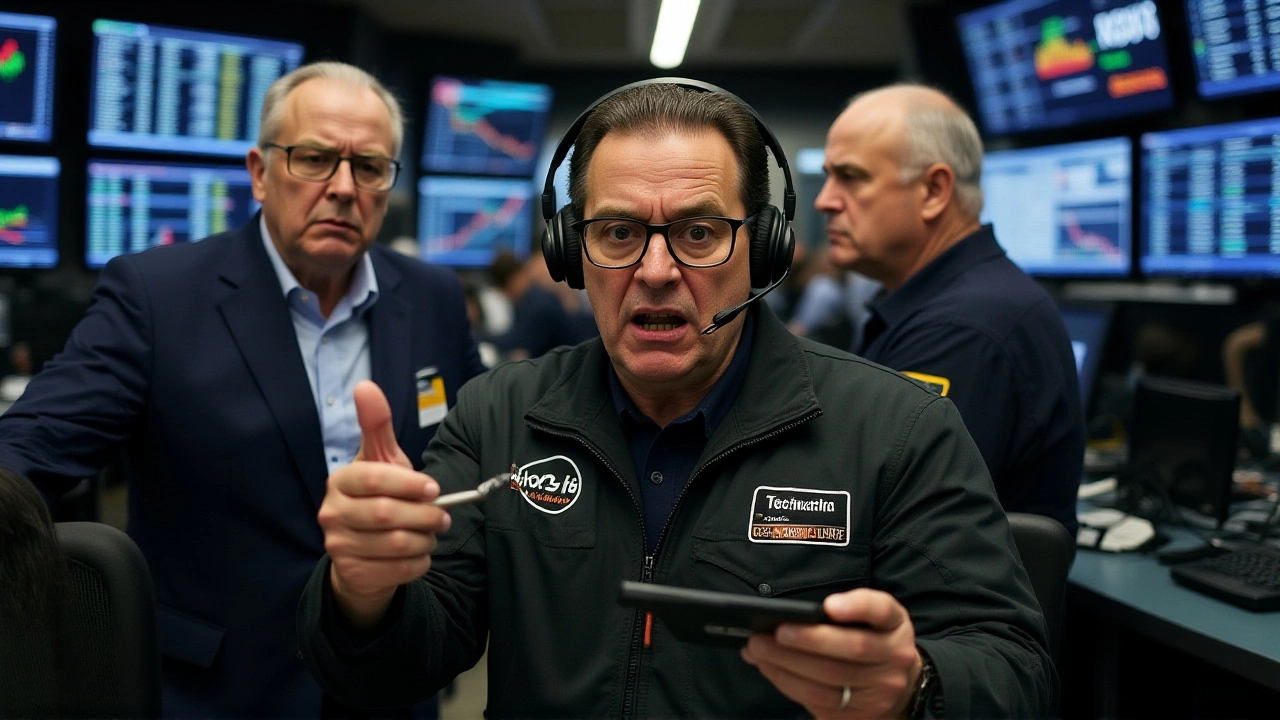
Across Asia and Europe, traders woke up to silence. Positions were open. Volatility was brewing. And there was nothing they could do."It was a nightmare," one anonymous trader told Bankless Times. "I had a $4.2 million hedge position in crude oil futures. I couldn’t close it. I couldn’t adjust it. I just watched the clock tick while my exposure grew."
Normally, exchanges have backup systems. Redundant power. Failover servers. But cooling? That’s often treated like plumbing—something you assume will just work. Until it doesn’t. And when it fails, you don’t get a blue screen. You get a market-wide blackout.
Even the New York Stock Exchange and Nasdaq were closed that day. But CME’s markets aren’t just for equities. They’re the backbone of risk management for hedge funds, commodity producers, and central banks. When CME goes dark, the entire financial ecosystem shudders.
What’s Next? No Answers, Just More Questions
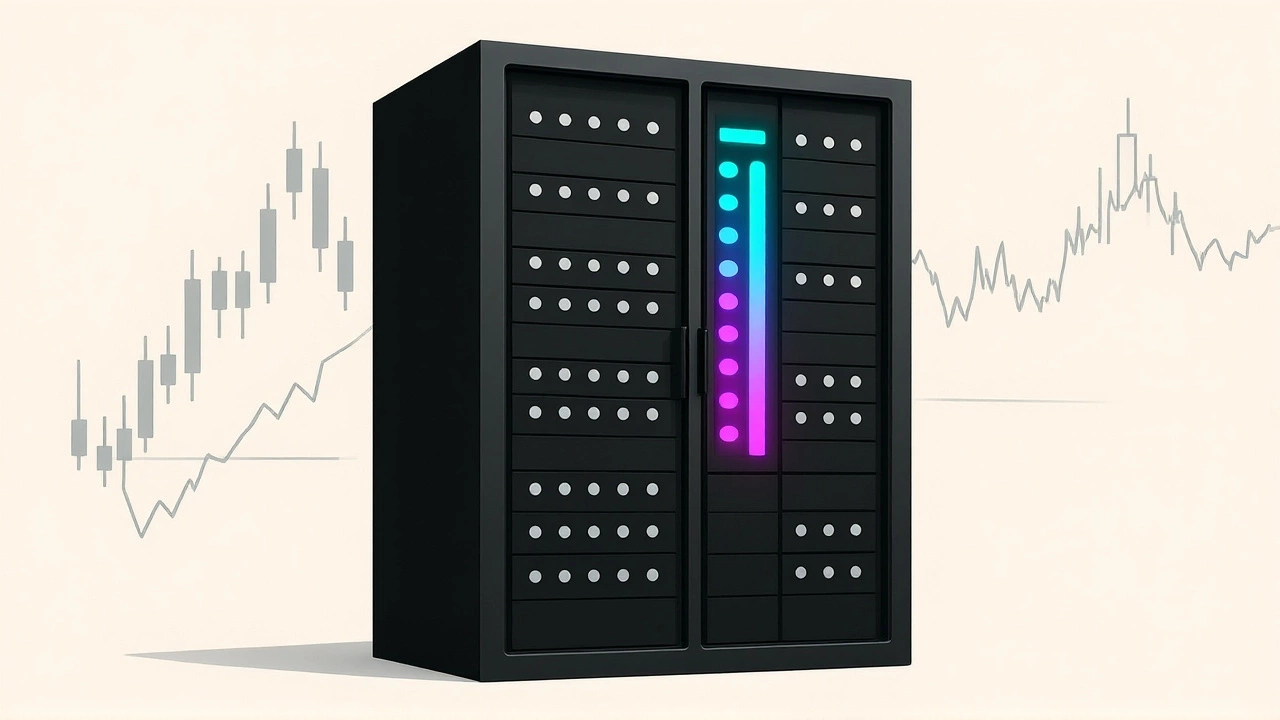
As of late November 28, CME Group had not released a timeline for recovery. No root cause analysis. No details on whether the cooling system was upgraded or replaced. Only a vague promise that "support is working to resolve the issue in the near term."That’s not good enough. Financial regulators, including the Commodity Futures Trading Commission (CFTC), should be demanding answers. This wasn’t a minor hiccup. It was a systemic failure in critical infrastructure. The fact that it happened on a holiday weekend—when oversight was minimal—only makes it more alarming.
Meanwhile, crypto traders are watching closely. In October 2025, Micro Ether futures hit 222,000 contracts daily—a 583% jump from the year before. That growth was built on CME’s reputation for reliability. Now, that trust is cracked. And if institutions start questioning whether derivatives can be trusted to function during heatwaves, the entire model of risk hedging could unravel.
The Bigger Picture
This isn’t just about Chicago. It’s about the hidden fragility of global finance. We obsess over cyberattacks, but we ignore the physical limits of our systems. Data centers are the new power plants. And just like aging coal plants, many of these facilities are running beyond their design life—without upgrades, without audits, without accountability.What happened at CyrusOne’s CHI1 is a warning shot. Next time, it might not be a cooling failure. It could be a power grid hiccup. A fiber cut. A supplier delay for spare parts. The point is: our financial system runs on hardware that’s older than most of the traders using it. And we’re pretending that’s fine.
Until regulators force upgrades, until exchanges invest in heat resilience—not just bandwidth—we’re one summer heatwave away from another global shutdown. And the next one might not happen on a holiday.
Frequently Asked Questions
How did the cooling failure affect cryptocurrency markets specifically?
Crypto derivatives were hit harder than most, with Micro Ether futures volume surging 583% year-over-year to 222,000 contracts daily by October 2025. The outage left traders unable to hedge volatile positions during a period of thin liquidity, increasing exposure to price swings. Many crypto funds rely on CME’s futures as a price anchor—without that, decentralized exchanges saw wild spreads and slippage, triggering liquidations across platforms like Binance and Kraken.
Why didn’t other firms using the same CyrusOne data center go offline?
CyrusOne confirmed multiple clients shared the CHI1 facility, yet only CME’s matching engine was affected. This suggests the failure may have been isolated to CME’s specific server racks or cooling zones—not a total facility collapse. But it also raises concerns about whether CME’s infrastructure was improperly configured or over-provisioned, creating a thermal bottleneck that didn’t impact neighbors. Independent audits are needed to clarify.
What’s the financial impact of a 24-hour trading halt?
A full 24-hour halt could cost global markets over $15 billion in lost hedging activity, according to a 2024 study by the World Federation of Exchanges. Even a partial outage disrupts price discovery, leading to mispriced assets when trading resumes. In November 2025, the delay caused a 7% spike in gold futures and a 4% drop in crude oil prices overnight, as traders scrambled to reprice risk without CME’s benchmark data.
Is this the first time a data center outage halted global markets?
No—but it’s the first time a cooling failure did. In 2021, a fiber cut briefly disrupted EBS trading. In 2023, a power surge at a London data center caused a 90-minute outage on LME. But never before has a physical infrastructure flaw—like overheating chillers—brought down the entire derivatives ecosystem. This incident sets a dangerous precedent: the next market crash might not be caused by panic, but by a broken air conditioner.
What steps is CME Group taking to prevent this from happening again?
CME Group has not publicly disclosed any long-term remediation plans. While temporary cooling units were deployed, there’s no word on whether the CHI1 facility will be retrofitted with modern chillers, upgraded power distribution, or thermal monitoring systems. Industry insiders say CME has been aware of heat stress since 2022 but delayed upgrades due to cost. Without transparency, traders have no confidence the fix is permanent.
Could this happen again during a heatwave?
Absolutely. Chicago’s summer temperatures have risen 3.2°F since 2015, and data center power loads keep climbing. Without mandatory thermal resilience standards for financial infrastructure, another outage is likely within 18 months—especially during peak summer demand. Regulators must treat cooling capacity like cybersecurity: not optional, but essential to market integrity.