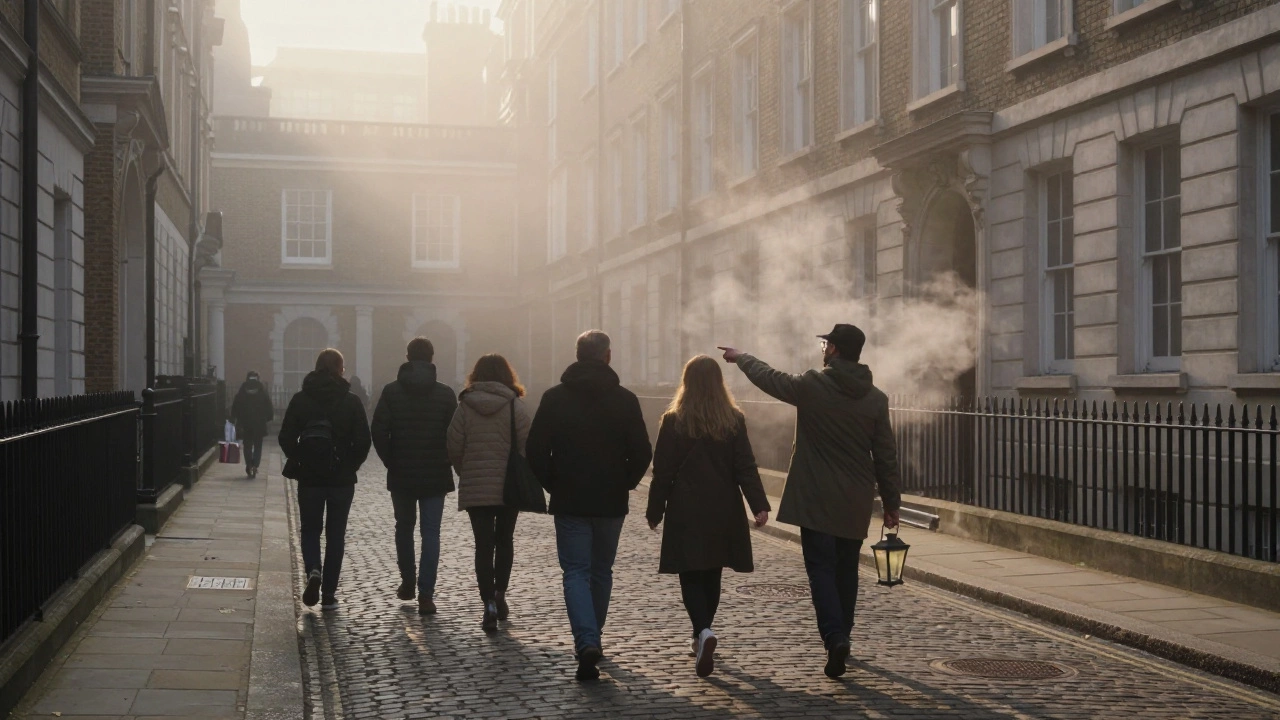
A tour isn’t just a trip. It’s a planned experience-designed to show you something, teach you something, or let you feel something in a way you wouldn’t on your own. Whether it’s walking through ancient ruins in Rome, hiking a misty trail in New Zealand, or cruising down the canals of Amsterdam, a tour gives structure to exploration. It removes guesswork and adds context. You don’t just see a place; you understand it.
Some people book tours because they’re nervous about navigating foreign cities alone. Others do it because they want to dig deeper than a guidebook can offer. And sometimes, it’s just about convenience-someone else handles the logistics so you can focus on the moment. For instance, if you’re in London and want to experience the city’s nightlife with a local guide, you might look into options like escort london vip services, which offer personalized, high-end companionship for those seeking more than just sightseeing.
What Exactly Counts as a Tour?
A tour doesn’t have to involve planes, passports, or big groups. It can be a two-hour walk through your own city with a local historian. It can be a food crawl in Bangkok led by a chef. It can even be a virtual tour of the Louvre from your couch. The core idea is intentionality. A tour has a theme, a guide (human or digital), and a clear purpose.
There are dozens of types, but they all fall into a few broad categories:
- Guided tours - led by a person who shares stories, facts, and insights. Think museum guides, wildlife rangers, or city walking tours.
- Self-guided tours - you follow a map, app, or audio track. No live guide, but still structured. Great for people who like to move at their own pace.
- Themed tours - built around a single interest: photography, wine, architecture, haunted buildings, or even film locations.
- Group tours - you’re with strangers who share your interest. Often cheaper, but less flexible.
- Private tours - just you, your travel companions, and a guide. More expensive, but tailored to your schedule and curiosity.
Why Do People Choose Tours Over Independent Travel?
It’s not laziness. It’s strategy.
Let’s say you’re visiting Kyoto for the first time. You could wander the streets, Google every temple, and hope you don’t miss the best ones. Or you could join a morning tea ceremony tour with a local artisan who’s been practicing for 30 years. That tour gives you access to a private garden, a rare tea blend, and a story about how the ritual survived war and modernization. That’s value you can’t Google.
Studies show that travelers who take guided tours remember 40% more details about a destination than those who explore alone. Why? Because stories stick better than signs. A good guide turns facts into feelings.
For older travelers, people with mobility issues, or those who don’t speak the local language, tours remove barriers. For solo travelers, they offer safety and social connection. And for families, they turn chaos into cohesion.
The Hidden Value: Access and Exclusivity
Some of the best experiences aren’t open to the public. That’s where private and VIP tours come in.
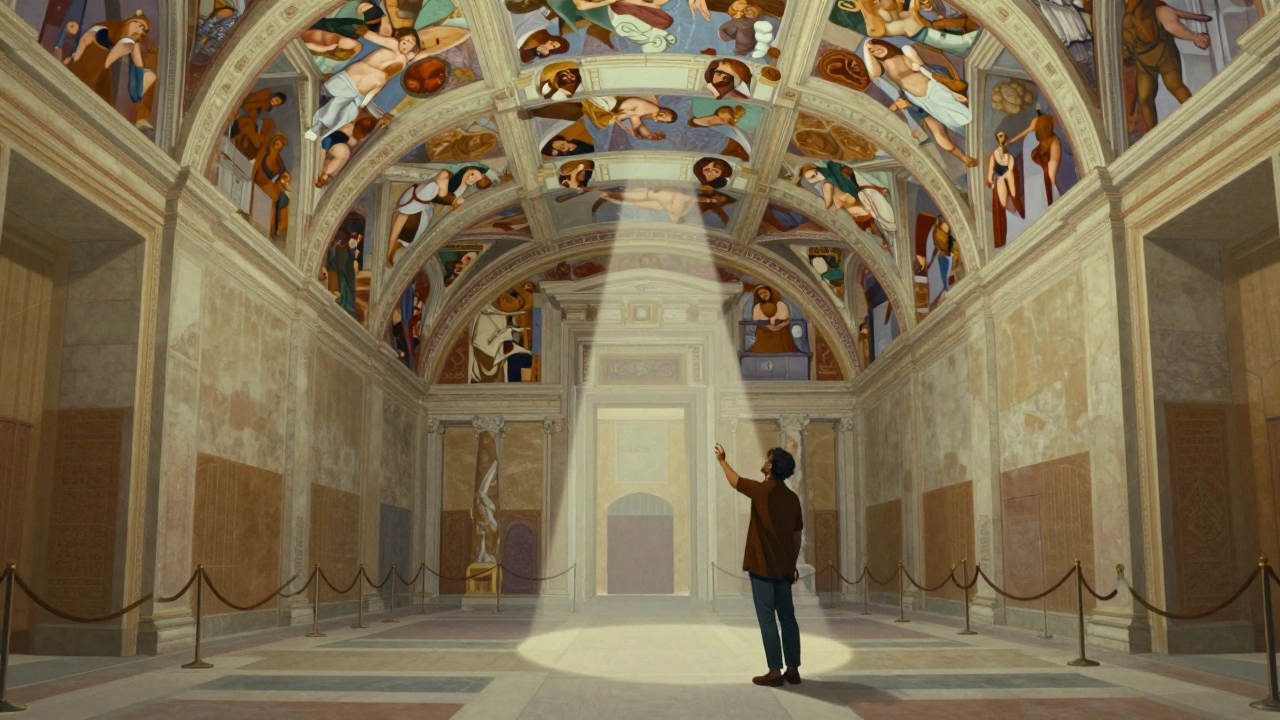
Think of a private after-hours tour of the Vatican Museums. No crowds. No lines. Just you, the Sistine Chapel, and a curator who explains the hidden symbols in Michelangelo’s frescoes. Or a VIP London escort service that connects you with a local insider who knows where the best jazz bars are-ones not listed on TripAdvisor. These aren’t just tours; they’re curated access.
Companies offering these experiences don’t just sell transportation. They sell trust. They vet their guides. They control the environment. They guarantee quality. That’s why people pay more.
Some luxury tours even include things like private chefs, helicopter rides, or backstage passes. The goal isn’t to see more-it’s to feel more.
How to Choose the Right Tour
Not all tours are created equal. Here’s how to pick one that’s worth your time and money:
- Read reviews-not just ratings. Look for comments about the guide’s knowledge, pacing, and authenticity. One-star reviews often reveal the real issues.
- Check group size. A tour with more than 10 people is rarely intimate. For deep learning, aim for 6 or fewer.
- Ask who leads it. Is the guide a certified professional? A local resident? Or just someone hired for the day? Local guides bring cultural insight you won’t get elsewhere.
- Look for inclusion details. Does the price cover entry fees, meals, or transport? Hidden costs can double the price.
- Trust your gut. If the tour feels too generic, too salesy, or too rushed, walk away.
Some of the best tours are small, local, and run out of someone’s living room. You might find them on community boards, Facebook groups, or even by asking a bartender where they’d take their own family.
Tours Aren’t Just for Vacation
You don’t need to fly across the world to take a tour. In fact, some of the most meaningful ones happen right where you live.
There are urban foraging tours in Sydney that show you which wild plants are safe to eat. There are brewery tours in Berlin that teach you how beer has shaped culture. There are history walks in Philadelphia that uncover stories of enslaved people who helped build the city.
Tours can be educational, therapeutic, or even political. A food tour in Mexico City might highlight how colonialism changed local diets. A walking tour in Detroit might focus on urban renewal and community resilience.
Touring is about connection-to place, to people, to history. It’s not about ticking boxes. It’s about understanding.
The Rise of Digital and Hybrid Tours
Since 2020, virtual tours have exploded. You can now explore the Great Barrier Reef via 360-degree video, or take a live-streamed tour of Machu Picchu with a Quechua-speaking guide.
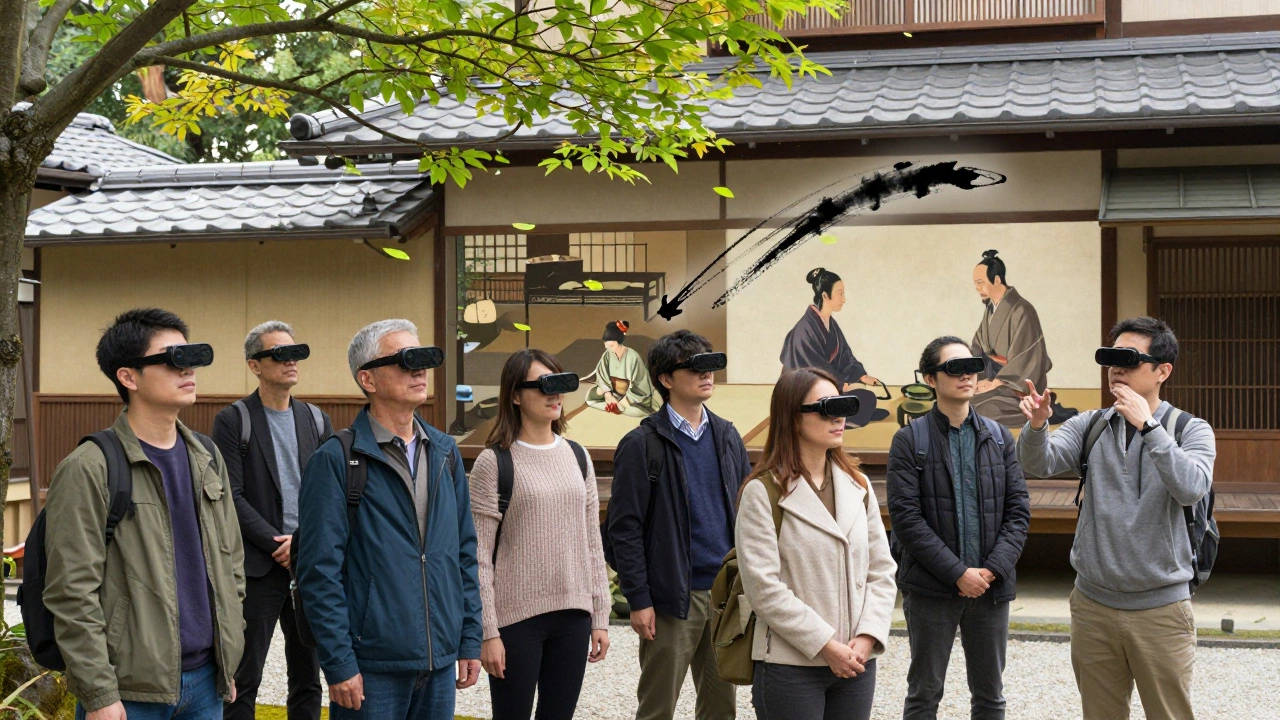
Hybrid tours are the next wave. You book a physical tour, but get a digital companion app that gives you extra photos, audio clips, and historical documents as you walk. Some apps even use AR to overlay old photos onto the streets you’re standing on.
These aren’t replacements for real tours-they’re enhancements. They deepen the experience without replacing the human connection.
What Makes a Tour Memorable?
It’s not the destination. It’s the moment.
Maybe it’s when the guide stops in front of a crumbling wall and says, “This stone was carved by a slave in 1789.”
Or when you’re handed a warm pastry in a tiny Parisian bakery and the baker tells you it’s the same recipe her grandmother used in 1942.
Or when you’re sitting on a rooftop in Marrakech, watching the sunset, and the guide tells you why the city’s lights are blue-because it’s believed to ward off evil spirits.
Those are the moments that stick. Not the hotel name. Not the flight number. Not even the Instagram photo.
A great tour doesn’t just show you the world. It changes how you see it.
And sometimes, that change starts with a simple question: “What’s the story behind this?”
If you’re in London and looking for a high-end, personalized experience, you might consider options like vip london escort services, which offer tailored companionship for those who want to blend luxury with local insight.
At its core, a tour is a gift-of time, attention, and perspective. You’re not just paying for a guide. You’re paying to be shown something beautiful, strange, or true. And that’s worth more than any map.
There are plenty of ways to travel. But only a few ways to truly discover.
If you’ve ever wondered what a tour really is-it’s not about where you go. It’s about who shows you the way.